Are Checkatrade, Bark and Rated People Leads Worth It?
 Cameron Richards, FounderUpdated 5 min read
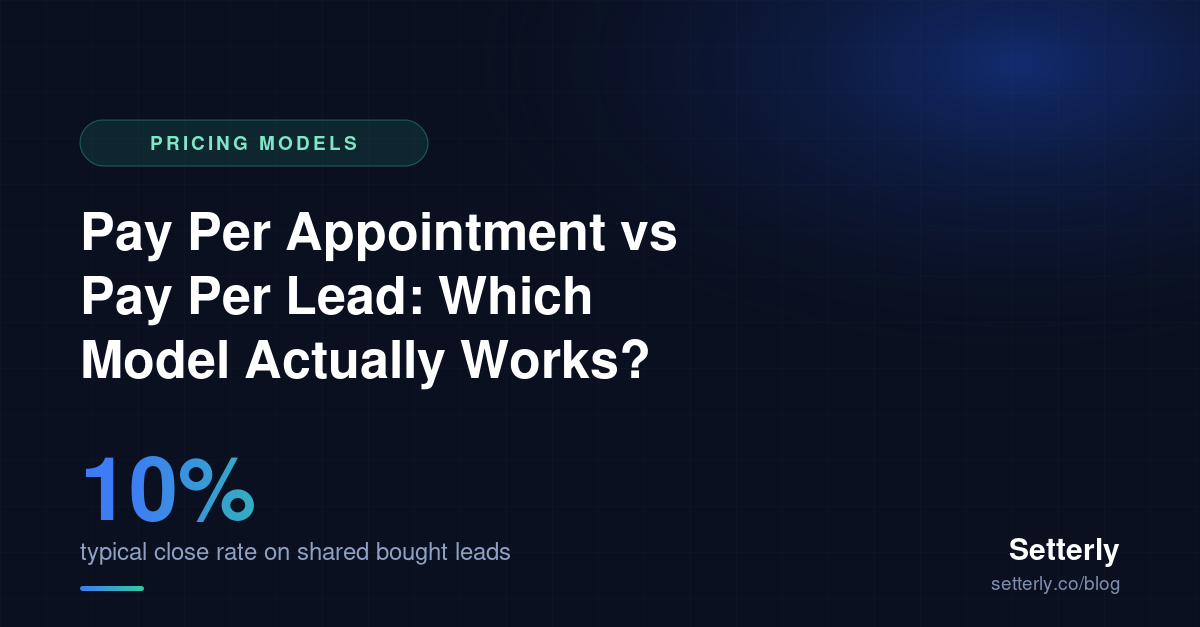
Checkatrade, Bark and Rated People leads can be worth it, but only when your job values are high, you reply within minutes and you follow up properly. On shared leads a close rate of around 10% is common, which means every job costs you roughly 10 times what you paid per lead.
That's the part of the pay per lead model the sales rep skims past, and it's the single biggest reason trades firms end up asking whether bought leads are worth it at all. The honest answer is: sometimes. Here's the full maths so you can decide for your own business.
How buying leads actually works in the UK
UK home improvement firms buy work through three kinds of platform, and each charges differently.
Trade directories such as Checkatrade and TrustATrader charge mainly through membership. You pay to be listed and vetted, and homeowners contact you from your profile.
Lead marketplaces such as Rated People, MyBuilder and Bark charge closer to per lead. A homeowner posts a job, and tradespeople pay to respond, to be shortlisted or to unlock contact details, using per-lead charges, shortlist fees or credits depending on the platform. Terms change, so check the current model before you budget.
Paid ads on Google and Meta charge through an auction, and the leads they produce are yours alone.
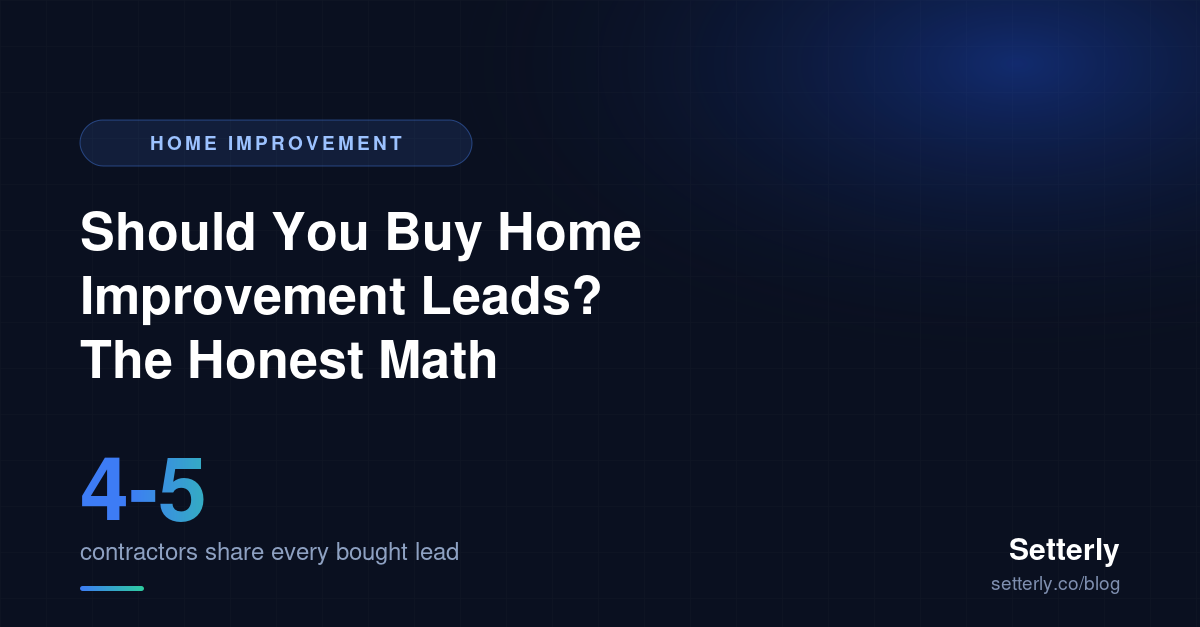
The core mechanic to understand on marketplaces: many leads are shared. The same enquiry can be bought by more than one firm. You're buying a seat at a table, and there are other chairs. We break down how each channel's pricing works in our UK home improvement cost per lead guide.
The three problems with bought leads
1. Every shared lead is a speed contest
When several firms receive the same lead, the one who calls first usually wins the conversation. If you're up a ladder or in a customer's kitchen when the lead lands, you've often lost before you knew you were competing.
That means buying shared leads only makes sense if you can respond within minutes, every time, including evenings and weekends. Leads contacted within 5 minutes are roughly 9x more likely to convert than those contacted after 30.
2. The close rate maths is unforgiving
On shared platforms, a close rate of around 10% is common. Illustrative numbers: if a lead costs you £50, ten of them buy you one job, so your real acquisition cost is £500 per sale.
For a £10,000 window installation, that can still work. For a £900 repair job, it can't. The maths flips entirely on job value, which is why the same platform gets glowing reviews from one tradesperson and fury from another.
3. Charges and quality disputes
Read any trade forum and the same complaints repeat: leads with dead phone numbers, homeowners who "never filled anything in", jobs outside the area you cover, and refund processes that take longer than the jobs would have. When charges are automatic, a bad month of lead quality shows up as a very real card statement.
The platforms are volume businesses, and quality control on volume is hard. Budget for a percentage of duds and dispute the charges promptly.
When buying leads can actually work
Fair is fair. Paying for leads has legitimate use cases.
It works when you're new in a territory and need volume fast, before your referral engine and reviews exist. A good directory profile with strong reviews can also produce enquiries that have already chosen you. It works when you have spare capacity and the cost of a fitter standing idle exceeds the cost of thin-margin jobs. And it works when you have genuinely fast response systems: someone (or something) that contacts every lead within five minutes, follows up seven or more times, and covers evenings and weekends.
If you can't tick that last box, be careful. Contractors lose 30 to 50% of their leads to poor follow-up, and losing half of the leads you paid for is a fast way to fund your competitors.
The maths on leads you already own
Now compare the economics of bought leads with the leads sitting in your CRM right now.
Every enquiry you've ever paid for and failed to close is still there. And here's the thing about them: 63% of people requesting information don't buy for 3 or more months. Most of your "dead" leads never said no. Their timeline just outlasted your follow-up.
The acquisition cost on those leads is already spent. Which means every job recovered from them comes at close to zero marketing cost. Working out how much revenue is buried in there is usually the highest-return exercise a home improvement business can do, and our database reactivation guide shows how.
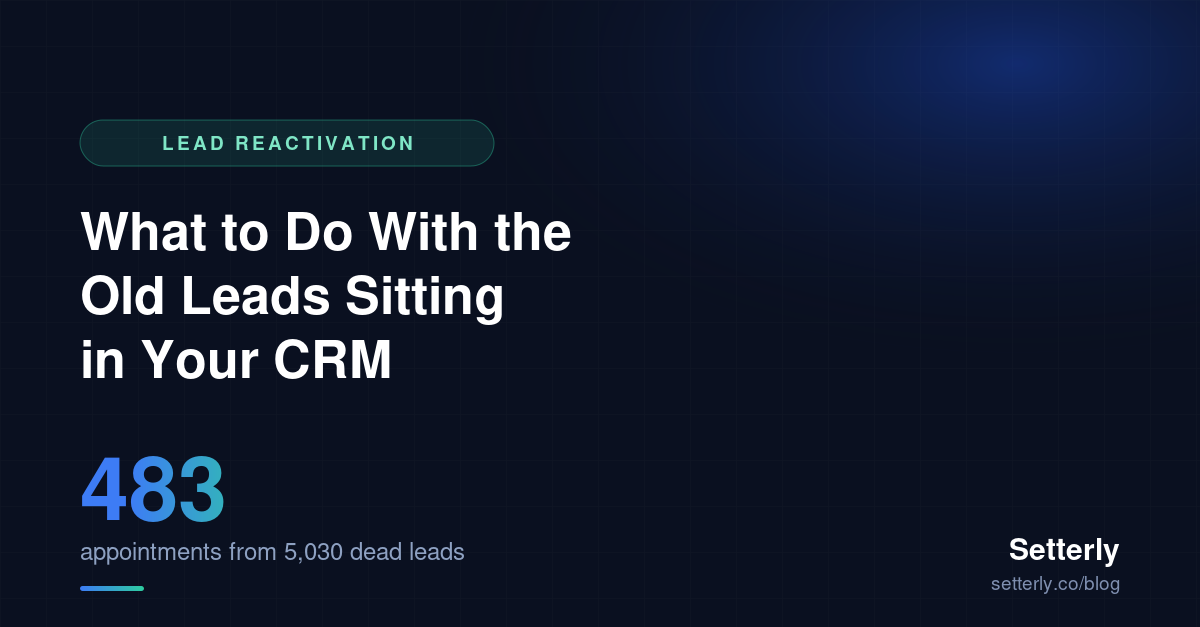
Cloudy2Clear, a UK misted double glazing repair franchise, ran this exact play with us. We re-engaged 6,769 old enquiries from their CRM, 64% replied, and the campaign booked 673 appointments and generated £639,350 in pipeline, with £107,000+ closed. Every one of those leads had already been paid for once. The full story is in our Cloudy2Clear case study, and glazing firms can see how it applies to them on our windows and doors page.
Pay per appointment: the model where incentives line up
Notice what's misaligned in pay per lead: the platform gets paid whether or not the lead answers the phone, whether or not other firms got it too, whether or not you win the job. Their revenue is complete the moment you're charged.
Pay per appointment changes who carries the risk. At Setterly, our AI holds real SMS conversations with your existing leads, qualifies them, books them into your calendar, and you pay only for booked, qualified appointments, priced on your average job value. No booking, no invoice. We've booked 3,000+ appointments across 260,000+ SMS conversations on exactly those terms, and you can see how the system works on our how it works page. The full comparison is in pay per appointment vs pay per lead.
When your supplier only earns on outcomes, quality complaints stop being your problem to absorb.
The verdict
Buy leads if your job value supports a 10% close rate, you can respond in minutes around the clock, and you audit the charges monthly. Skip them if any of those fail.
But in either case, do the free thing first: work the leads you already own. It's the only lead source with no cost per lead at all.
Frequently asked questions
Are Checkatrade leads worth it?
Checkatrade works mainly on membership, so the value depends on how many enquiries your profile produces and how well you convert them. Strong reviews, fast replies and proper follow-up make it pay. Slow responses make any directory look expensive.
How many tradespeople get the same lead on Bark or Rated People?
It depends on the platform and its current rules, but marketplace leads are commonly available to more than one firm. That is why speed to first contact largely decides who wins the job.
What close rate should I expect on bought leads?
Around 10% is common on shared lead platforms. That means your true cost per sale is roughly 10 times the cost per lead, before accounting for follow-up leakage.
What is the alternative to buying leads?
Reactivating the aged leads already in your CRM. The acquisition cost is already paid, and 63% of enquirers take 3+ months to buy, so most "dead" leads were simply dropped too early. Cloudy2Clear booked 673 appointments this way from 6,769 old enquiries.